Exploring Traditional Arabic Musical Instruments: The Sounds of the Arab World
Arabic music boasts a rich and diverse heritage shaped by centuries of cultural, historical, and musical evolution. Unique in their sounds and construction, Arabic musical instruments evoke the distinctive emotions, rhythms, and tonalities of Arabic music. Here’s a look at the most iconic traditional Arabic instruments that have defined this musical heritage.
1. The Oud: The Heart of Arabic Music
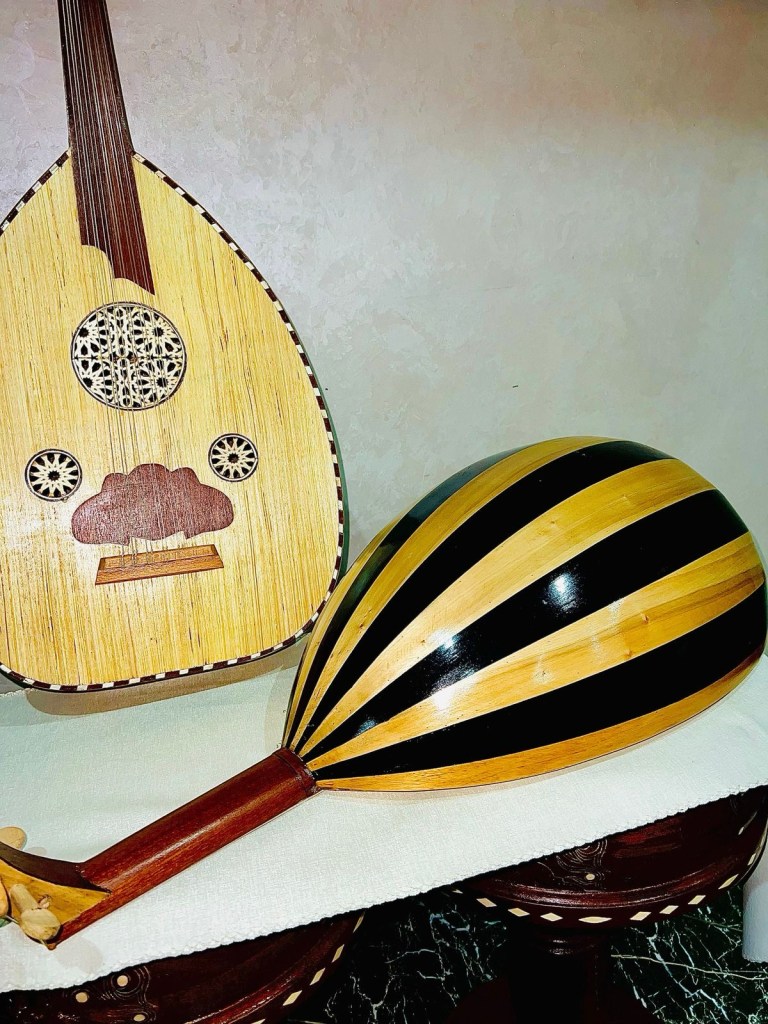
Perhaps the most recognizable Arabic instrument, the oud is a pear-shaped stringed instrument, often called the “king” of Arabic music. Known for its warm, deep sound, the oud is traditionally made of wood and has a bent neck with no frets. This design allows musicians to play quarter tones and explore the microtonal nuances essential in Arabic music. With 11 or 13 strings grouped in pairs, the oud has a long history, with origins tracing back to ancient Mesopotamia.
2. The Qanun: The Arabic Zither
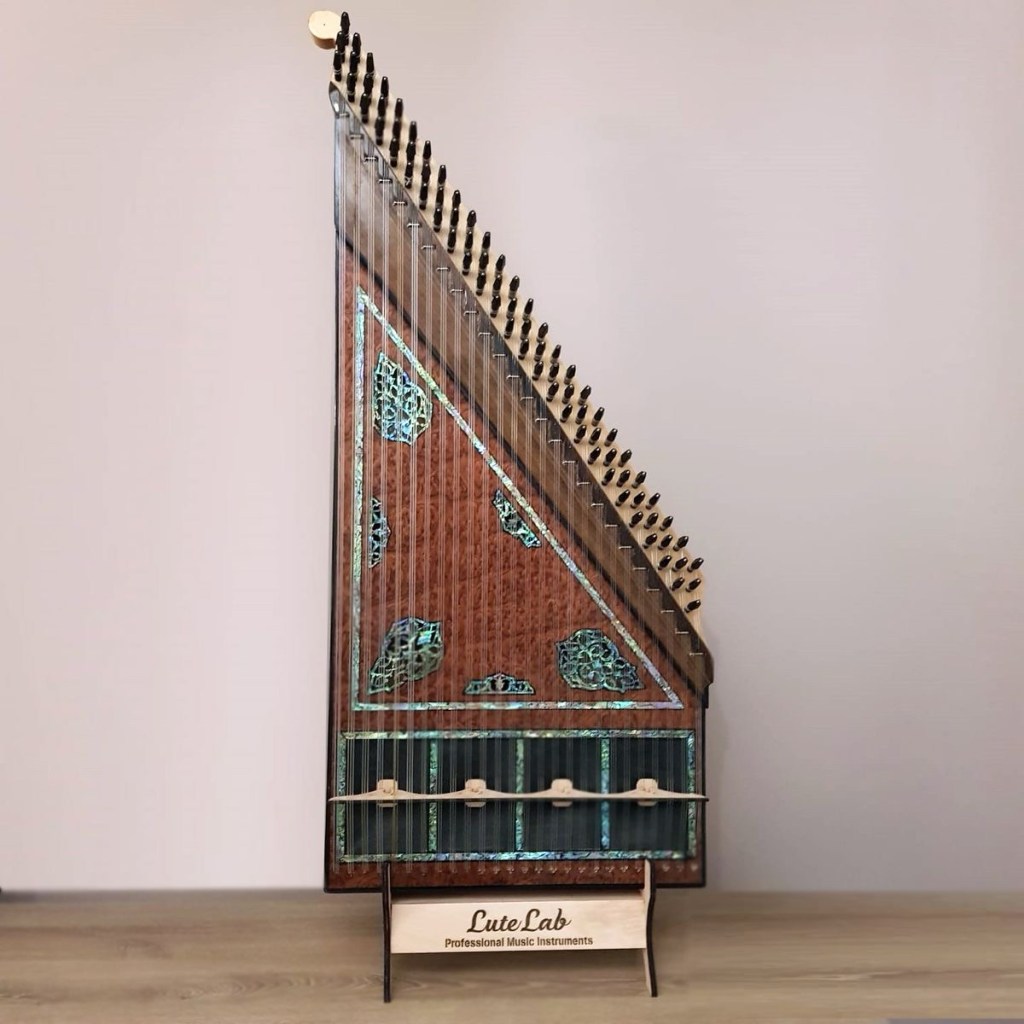
The qanun is a trapezoidal, flat instrument with over 70 strings, producing a resonant, harp-like sound. Played with plectra attached to the fingers, its metal levers allow for quick pitch modulation. The qanun’s versatility and range make it a core melodic instrument, with origins that may date back to Ancient Greece and Persia.
3. The Nay: The Soulful Reed Flute
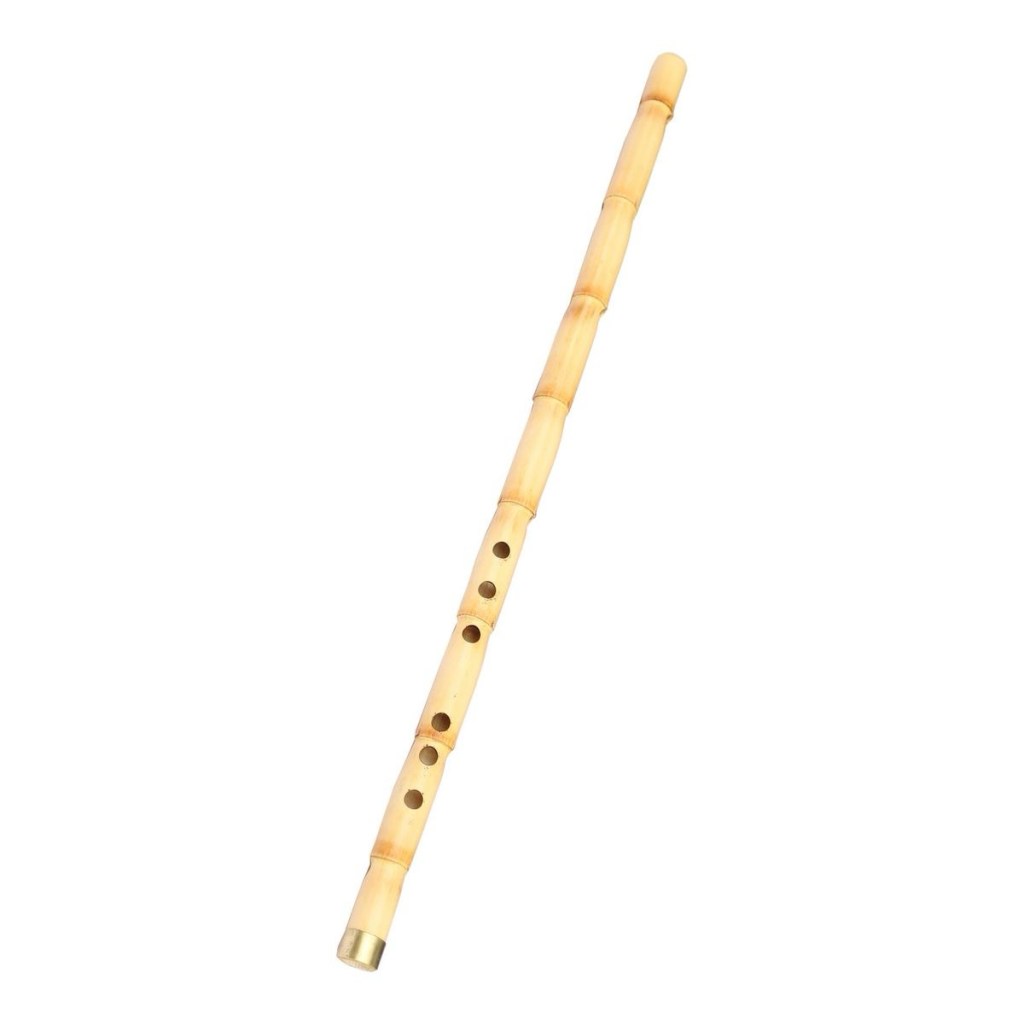
The nay is an end-blown reed flute known for its breathy, soulful sound, requiring a unique blowing technique for sound production. Typically made of reed, the nay has six or seven finger holes, enabling a wide range of notes and one of the oldest wind instruments still in use.
4. The Riq: The Arabic Tambourine
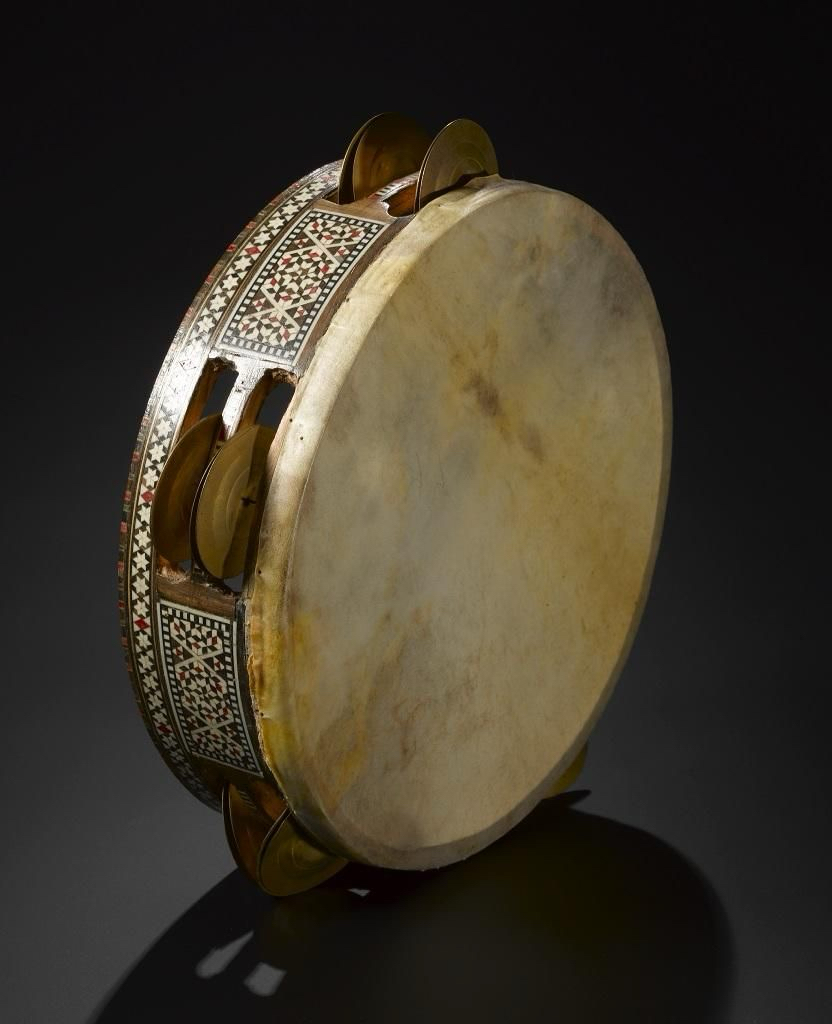
The riq is a small, handheld tambourine with a wooden or metal frame and a fish or goat skin membrane. The riq’s rhythmic and melodic versatility allows players to create intricate patterns, providing essential rhythmic support in traditional Arabic ensembles.
5. The Darbuka (Doumbek): The Goblet Drum

The darbuka (or doumbek) is a goblet-shaped drum known for its resonant tones. Traditionally made of clay, modern darbukas often use metal and synthetic materials for durability. Its distinct “dum” and “tak” sounds create complex rhythmic patterns, making it vital to Arabic music’s rhythm.
6. The Kamanjah: The Arabic Violin

The kamanjah is an adaptation of the Western violin, tuned to play the maqamat (Arabic scales) to achieve the quarter tones and slides distinctive in Arabic music. The kamanjah’s rich emotional range makes it essential for classical and folk genres across the Arab world.
7. The Buzuq: Bright and Metallic Tones
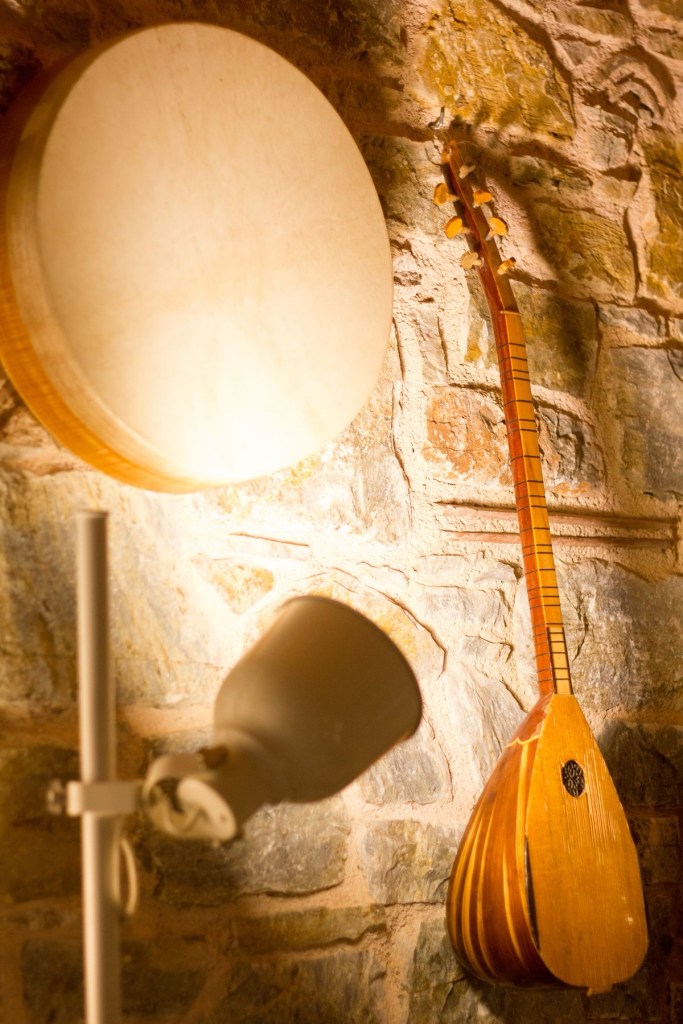
The buzuq is a long-necked, fretted lute with two or three courses of metal strings, producing a bright, metallic tone. Popular in the Levant, it allows musicians to play maqamat with intricate ornamentation, adding to Arabic folk music’s unique melodies.
8. The Mizmar: High-Energy Reed Instrument

The mizmar is a conical reed instrument with a high, piercing sound. It is often used in celebratory or folk contexts and pairs well with the tabla drum, especially in North African and Egyptian traditions.
These traditional Arabic instruments are the essence of Arabic music, each contributing its distinct voice to a diverse and historically rich soundscape. Together, they shape the textures, rhythms, and emotions that make Arabic music so globally influential and timeless.
 KHALIL KHALIL