The Story of Khamis Henkesh and His Musical Family

Khamis Henkesh, also known as Khames Henkesh, was born into a family deeply rooted in Egyptian music traditions. His family legacy, particularly through his two brothers, who were also celebrated percussionists, played a pivotal role in shaping his career. The Henkesh family became renowned in the world of Arabic music, establishing themselves as masters of the derbakeh, an essential drum in Arabic percussion.
The collaboration among the three Henkesh brothers helped elevate the art of percussion in Egypt. Their performances, both in Egypt and internationally, brought the derbakeh to wider audiences. Together, they established a foundation that modern percussionists and belly dancers continue to build upon. This family dynamic set a unique precedent for future generations in the field of Arabic music, making the Henkesh name synonymous with rhythmic excellence.
Khamis’ deep connection to the rhythms of his homeland and his family’s passion for music contributed to his distinctive style, allowing him to carry forward a rich cultural heritage while also making his own innovations.
Khamis Henkesh’s Career and Contribution to Arabic Music
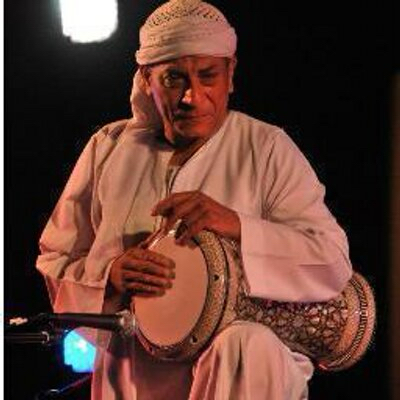
Khamis Henkesh was not just a performer; he was a pioneer in modernizing the traditional use of the derbakeh while maintaining its roots in Egyptian folklore. His career spanned several decades, during which he worked alongside some of Egypt’s most famous musicians and dancers. His contributions extended beyond performance to teaching and preserving Arabic rhythmic traditions.
Throughout his career, Khamis Henkesh played with prominent singers and dancers in Egypt’s bustling entertainment scene, including working with legendary figures in the Egyptian film and music industry. His performances were regularly sought after at prestigious events, and his ability to master intricate rhythms brought him immense respect.
One of the key highlights of Henkesh’s career was his collaboration with Oriental dancers. His expert timing and intuitive sense of rhythm complemented the dancers’ movements, helping to shape modern belly dance performances. His deep understanding of the interaction between rhythm and dance allowed him to become a favorite among dancers, as he could tailor his drumming to the specific style of each performer.
Influence on the Oriental Dance World
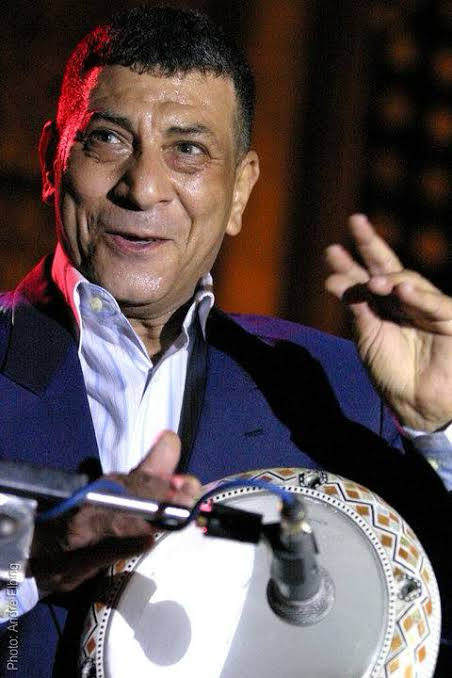
Khamis Henkesh’s influence on Oriental dance goes beyond simple musical accompaniment. His mastery of the derbakeh created an unmatched synergy between the music and the movements of the dancers. By adapting traditional rhythms and experimenting with new patterns, he helped dancers find deeper emotional and physical expression through their art.
His rhythms have been studied by countless dancers who seek to align their movements with the precise beats and shifts that Henkesh mastered. Today, many well-known belly dancers around the world continue to use the rhythms he popularized, keeping his legacy alive in studios and performances worldwide.
Henkesh also participated in workshops and training sessions, sharing his knowledge with musicians and dancers who were eager to learn from a master. His ability to pass on his skills, both to musicians and dancers, further solidified his impact on the global music and dance community.
The Enduring Legacy of Khamis Henkesh
Even after his passing in 2012, Khamis Henkesh’s name remains central to discussions on Arabic percussion and belly dance rhythms. His contributions have influenced generations of drummers, dancers, and musicians, all of whom continue to draw inspiration from his work. Modern-day percussionists still look to his recordings and performances as a blueprint for mastering the derbakeh.
Henkesh’s unique approach to rhythmic patterns has also left a lasting impact on how Arabic music is taught and performed. His teaching methods, emphasizing precision and creativity, have been carried forward by his students and those who studied his work from afar.
Beyond his individual influence, Khamis Henkesh helped solidify the role of the derbakeh in international music circles, ensuring that this traditional instrument continues to be celebrated. His music is still widely played in performances of Oriental dance, and his rhythms remain a cornerstone of Arabic music education.
 KHALIL KHALIL